Karthik Pullalarevukpullala [at] andrew.cmu.edu I am an M.S. in Computer Vision student at Carnegie Mellon University, in the Robotics Institute. My research interests span 3D vision, perception for autonomous driving, and multimodal AI. Previously, I worked as a Lead Machine Learning Engineer - Computer Vision at HyperVerge, 150-member, bootstrapped and profitable AI startup operating across India, SEA, and Africa. I led R&D for the Face Fraud Detection team, developing and optimizing 10+ deep learning models for liveness and deepfake detection. These solutions now power 20+ million monthly identity verifications and contribute to 30% of the company’s revenue. I completed my B.Tech in Electronics and Computer Engineering at Vellore Institute of Technology, where my research was focused on agritech and medical diagnosis using AI and computer vision under the guidance of Prof. Sofana Reka and Dr. Kumar Rajamani. During this time, I interned at École Polytechnique de Montréal with Prof. Hervé Lombaert on cortical surface analysis using Graph Neural Networks, and at Mayo Clinic under Dr. Srinivasan Rajagopalan on tracheal analysis using CT Scans for COVID-19 severity classification. Research Interests: 2D/3D Computer Vision, 3D Reconstruction, Autonomous Driving Email 1 / Email 2 / GitHub / Resume / Google Scholar / LinkedIn |
|

|

|

|

|

|

|
|
Computer Vision Aug '25 - Present |
3D Vision Research Intern May '25 - Aug '25 |
Lead MLE July '22 - July '25 |
B.Tech in ECM July '18 - June '22 |
Research Intern Aug '21 - Dec '21 |
Research Intern Nov '20 - Apr '21 |
News
- Jan 2026: Started my capstone with Aurora on rasterized representations for autonomous driving.
- Aug 2025: Started my M.S. in Computer Vision at Carnegie Mellon University!!
- Apr 2025: Got promoted to MLE 3 and started leading the AI research for face & anti-spoofing team at Hyperverge.
- Feb 2025: Conducted a demo on Deepfakes Detection at Bharat Fintech Festival in Mumbai.
- Nov 2024: Represented Hyperverge at LTFS RAISE event showcasing Deepfakes solution.
- Sept 2024: Conducted a workshop on how AI systems work at Superbank and Flip office in Indonesia.
- Aug 2024: Represented the AI team at GFF 2024 to showcase deepfakes and liveness product.
- Apr 2024: Got promoted to MLE 2 and started leading face & antispoofing team.
- Feb 2024: Our Liveness solution passes PAD Level 2 testing to become ISO 30107-1/30107-3 Level 2 compliant.
- May 2023: Filed 3 patents in the US for the liveness solution which are in non-provisional stage!
- July 2022: Started working at HyperVerge as MLE 1.
- May 2022: Graduated from VIT Chennai.
- Nov 2021: Our paper on Semantic segmentation for plant phenotyping has been accepted to Springer-MTAP!
- Aug 2021: Joined the shape team at ETS Montreal, as a Mitacs Research Intern.
- May 2021: Selected for IAS-SRFP fellowship program in an Industrial Lab (TCS R&D)
Publications & Patents
|
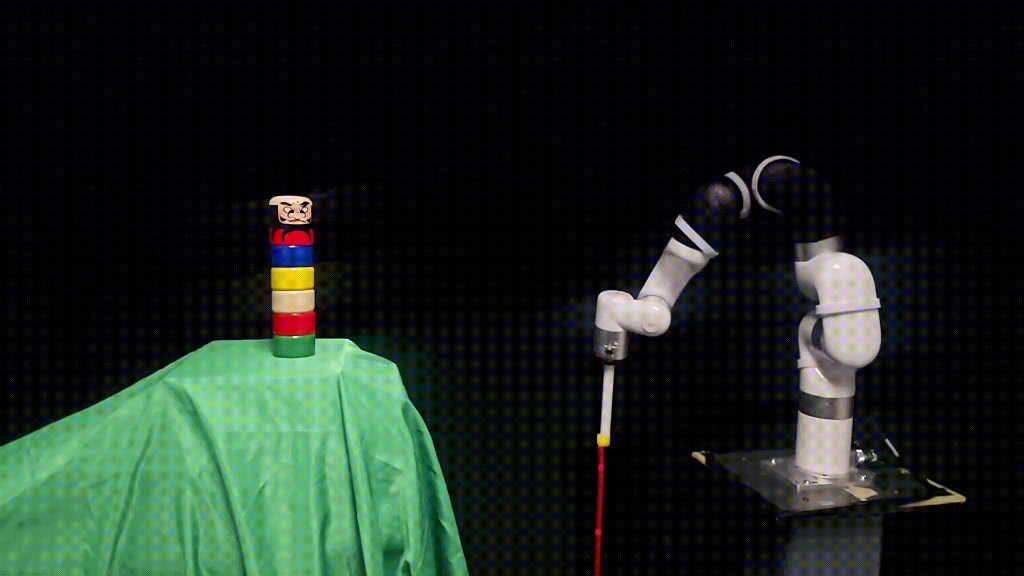
paperWiggle and Go! System Identification for Zero-Shot Dynamic Rope ManipulationArthur Jakobsson, Abhinav Mahajan, Karthik Pullalarevu, Krishna Suresh, Yunchao Yao, Yuemin Mao, Bardienus Duisterhof, Shahram Syed, Jeffrey Ichnowski CoRL 2026 — Accepted Website | |
|
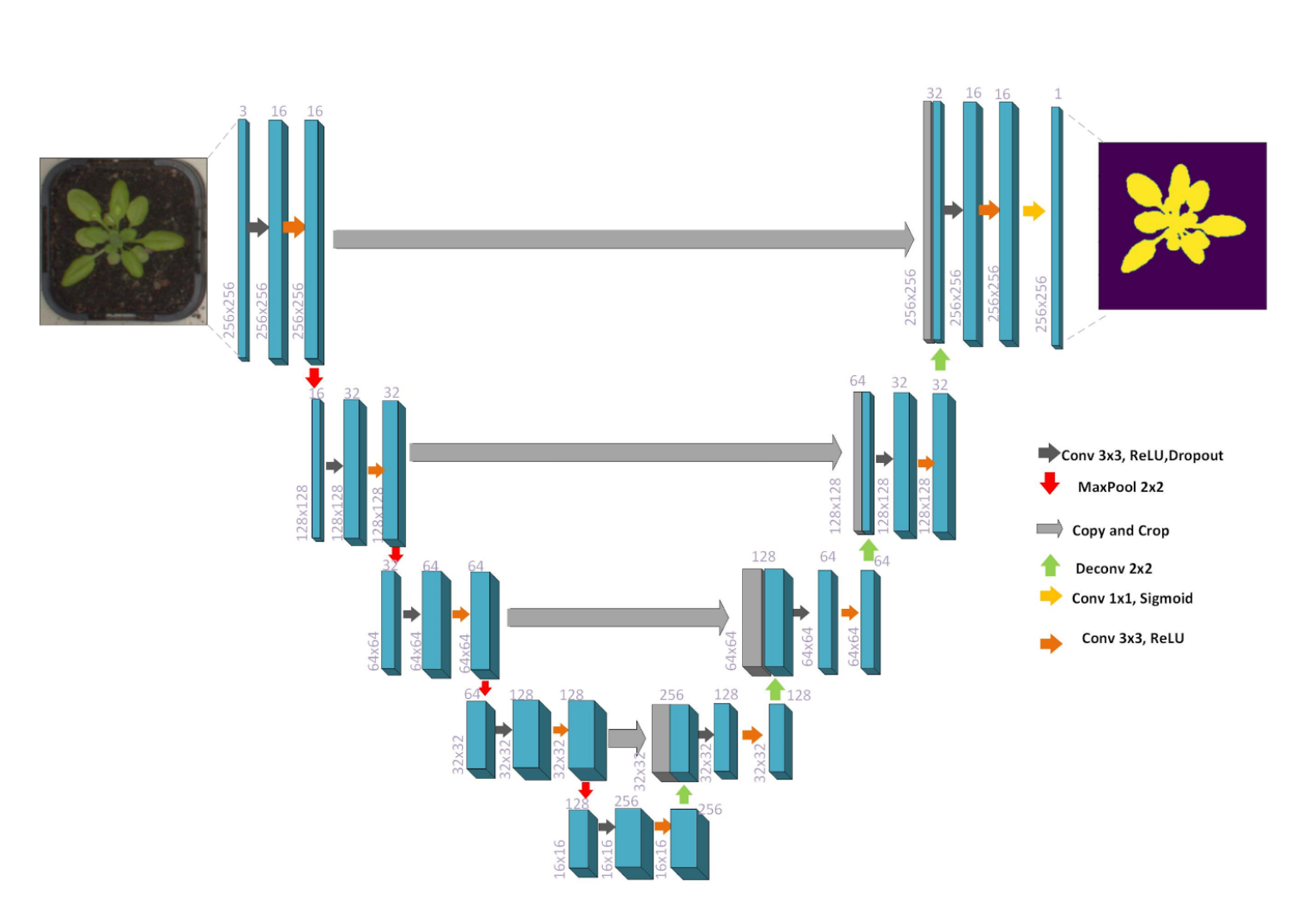
Semantic Segmentation for Plant Phenotyping using Advanced Deep Learning Pipelines.Karthik Pullalarevu, Mansi Parashar, Sofana Reka S, Kumar T Rajamani, Mattias P. Heinrich Multimedia Tools and Applications, Springer (MTAP) 2022 Paper | BibTeX |
|
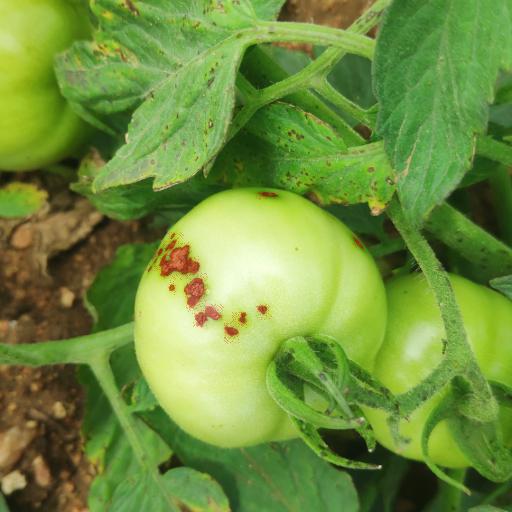
Robust Deep learning Model for Detection of Tomato Bacterial Spot on Novel DatasetKarthik Pullalarevu, Mansi Parashar, Sofana Reka S Scientific Reports, Nature (Submitted - April 2024) |
|
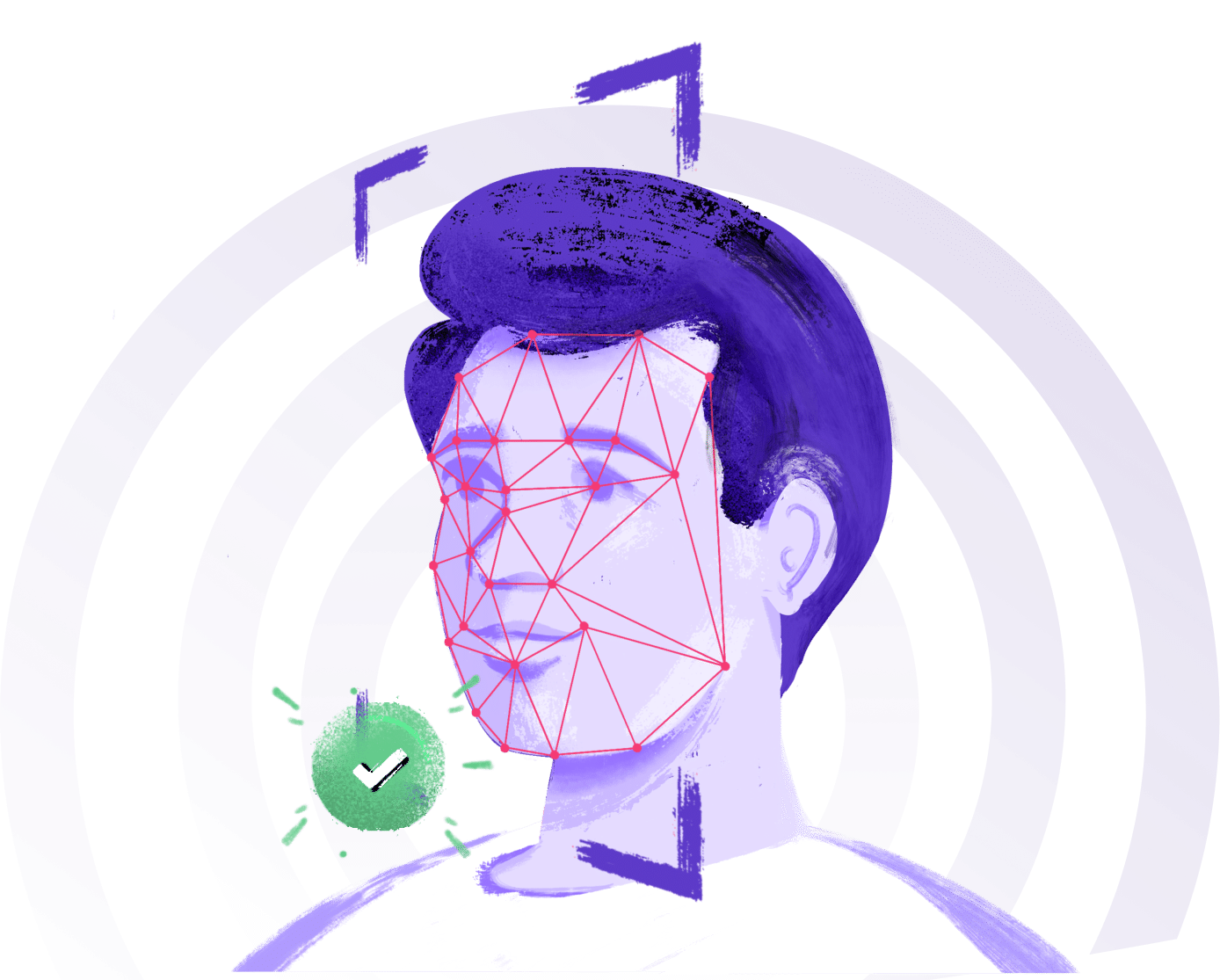
Patent - Hyperverge Inc
Status: Non-provisional Stage - USPTO |
Research
|
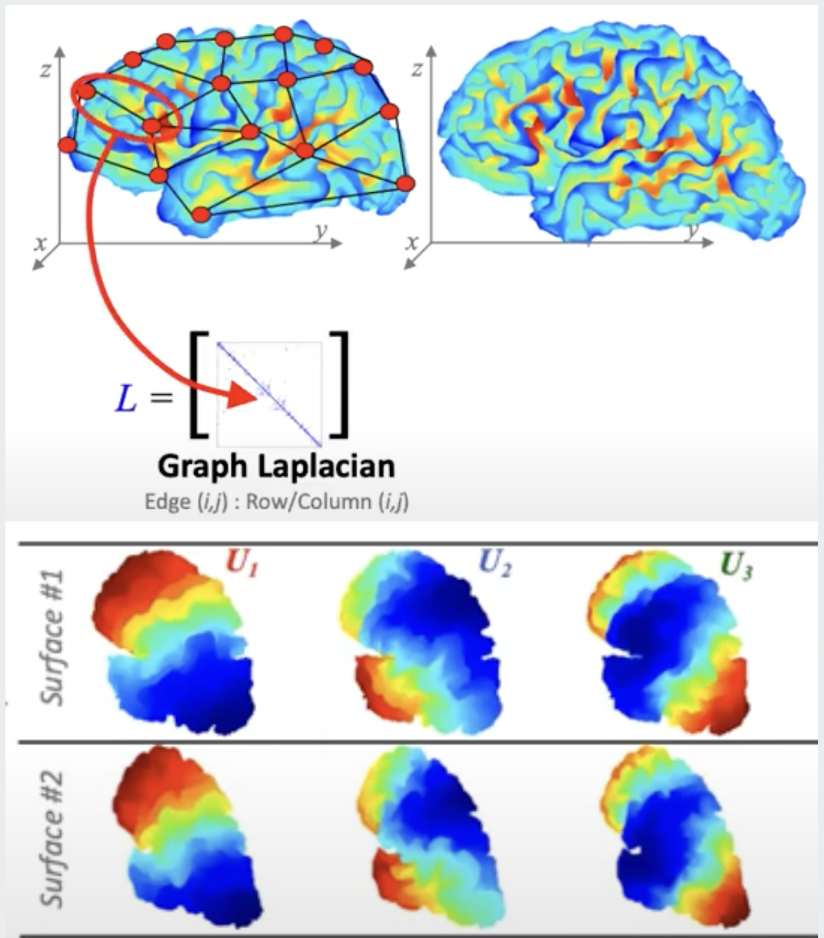
Shape analysis of complex brain surfacesGuides: Dr. Hervé Lombaert [Code] [Certificate] Developed an efficient Python pipeline for spectral alignment of brain mesh surfaces using reference mesh. Explored Gaussian Kernels with Graph Convolutional Neural Neworks (GCNNs) for brain surface analysis which is used for various downstream tasks. |
|
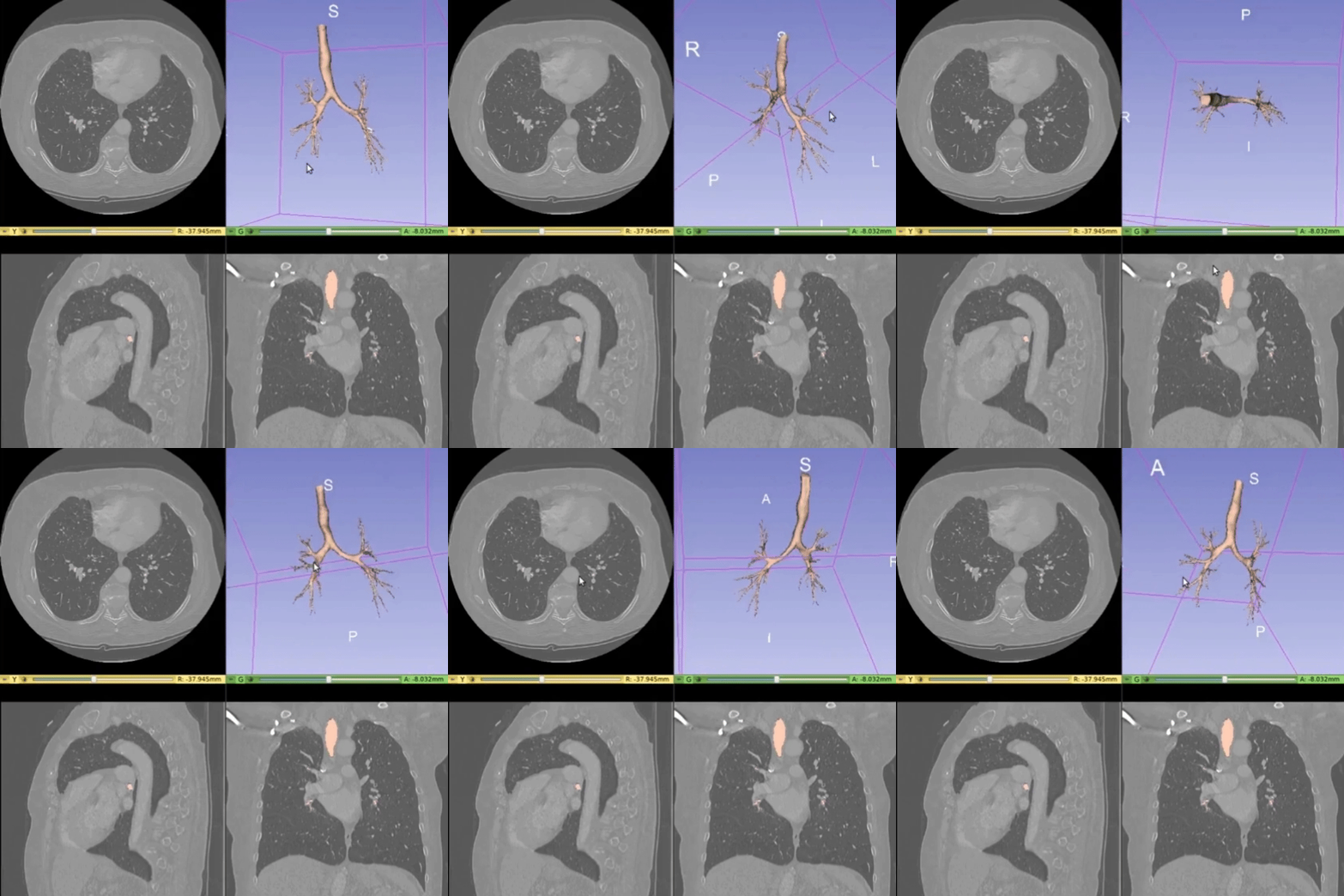
COVID-19 Severity classification using Tracheal densityGuides: Dr. Srinivasan Rajagopalan (Mayo Clinic) and Dr. Susan Elias In this work, we wish to classify severity of Covid infection using Chest CT scans. Extracted tracheal region using airway extractor module in Slicer 3D software and PyRadiomics to extract 140 tracheal density features. Applied feature engineering techniques (Lasso, Boruta) and compared performance across ML & DL models to classify tracheal infection. |
|
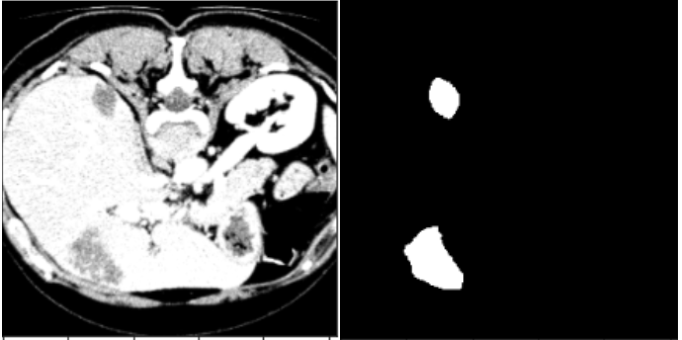
Federated Learning for Liver Tumor SegmentationGuide: Dr. Renuga Kanagavelu [A-STAR, Singapore] [Presentation] Created a federated learning simulation with 2 clients using flower platform where client-1 has liver and tumor data and client-2 has only liver scans. Achieved 0.793 dice score for client-2 on tumor segmentation task with a U-Net architecture model which was trained on only liver data. |
|
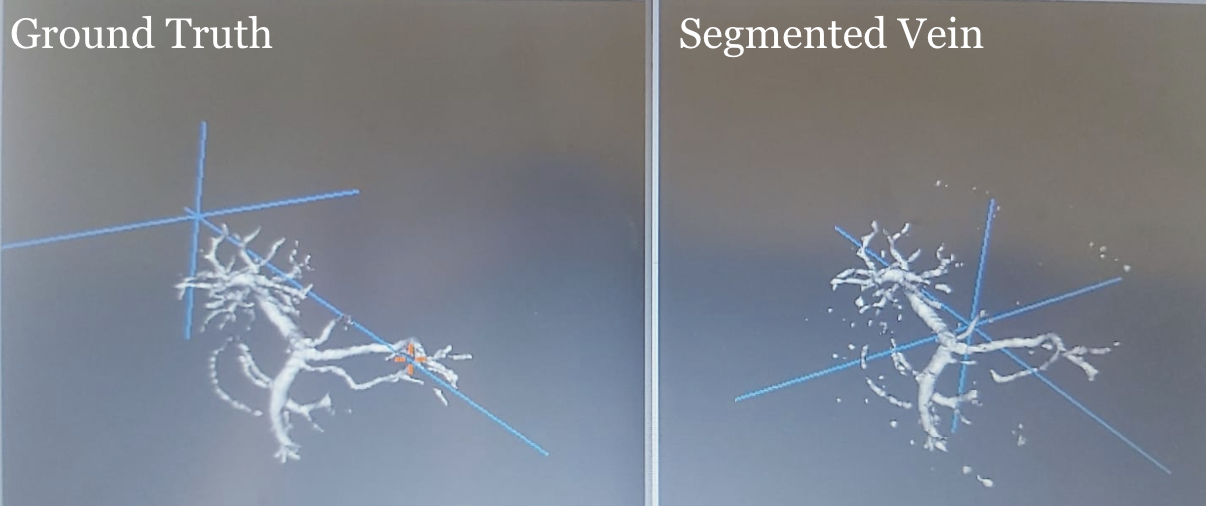
Diagnosis of Portal Hypertension using semantic-segmentationGuides: Dr. Viswanath P S and Monika Sharma [Presentation] [Certificate] Worked on semantic segmentation of hepatic vessels using 2D/3D U-Net architectures. Implemented Domain Adaptation by first training a model on vein segmentation and then fine-tuning it for portal vein segmentation. |
Key Technical Projects
|
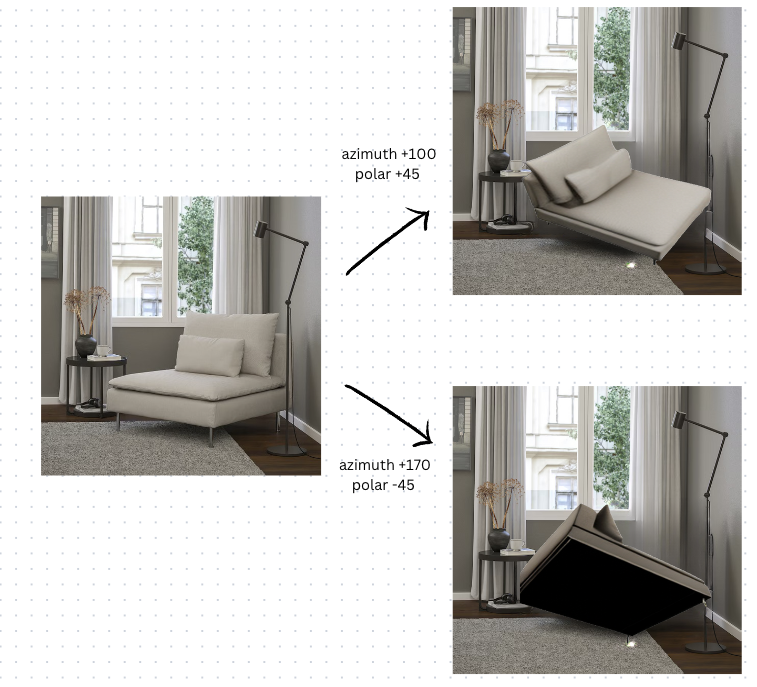
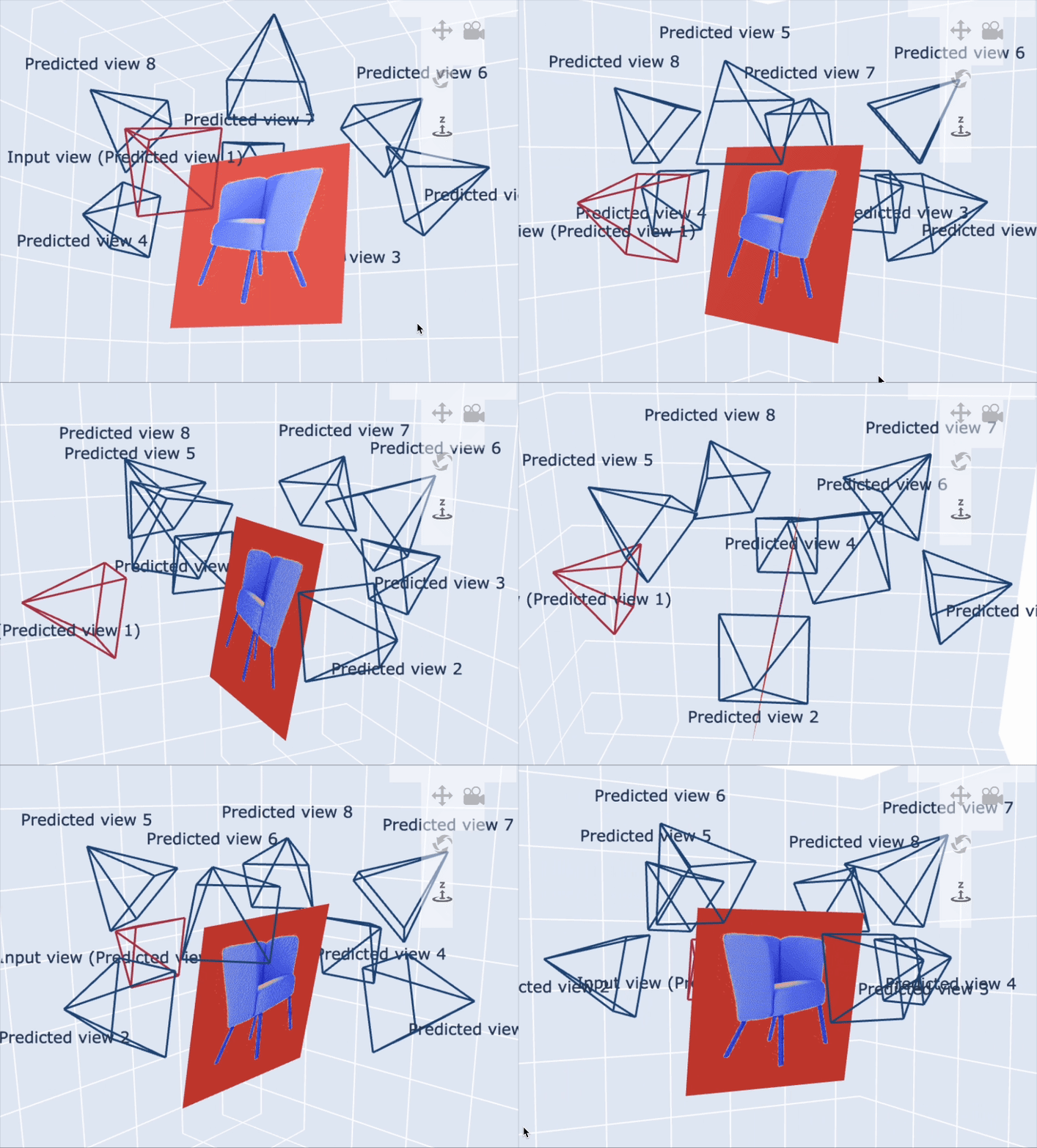
Multiview pose synthesis from 2D objects[Code] Developed an end-end approach to edit pose of an object in a 2D image given the azimuth and polar values. The pipeline includes text-guided segmentation, image to 3D view generation followed by SD Inpainting and replacing the generated object in the masked image. |
|
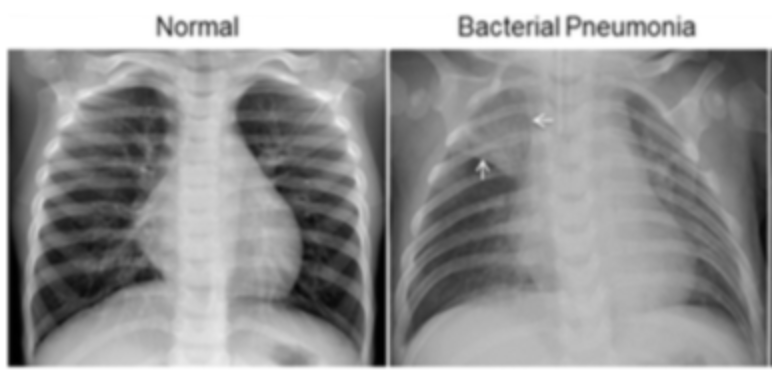
Chest X-Ray Pneumonia DetectionMOOC, Udemy [Code] Built a Pneumonia detection model using Convolutional Neural Networks (CNN) and Transfer Learning. The model was trained on the Chest X-Ray dataset from Kaggle and achieved an accuracy of 98%. |